Pop-up Store
Pop-Up Store Marketing Agency India: A D2C Operator Playbook
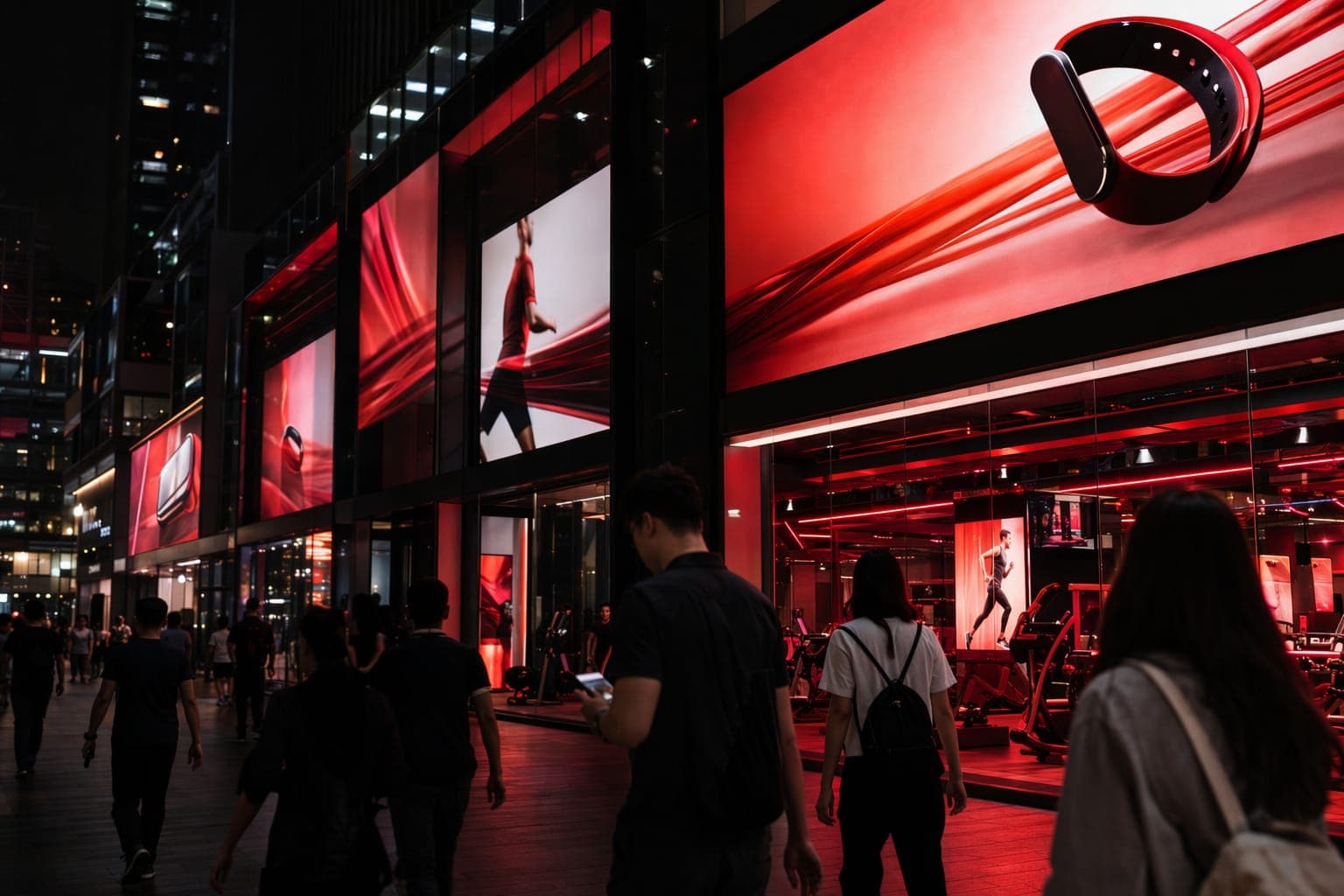
A pop-up store should not be treated as temporary retail rent with attractive branding. For an India D2C brand, it is a concentrated customer-acquisition, product-education and market-research system. The location creates access, but the operating model determines whether that access becomes trials, purchases, customer data and reusable content. The right pop-up store marketing agency in India must therefore manage the entire journey around the space, not merely fabrication, promoters or an opening-day crowd.
Founder to founder, the real question is not whether the kiosk or store looked busy. It is whether the activation produced commercially useful outcomes across offline sales, sampling, WhatsApp opt-ins, content production and future remarketing. That requires coordination between the venue, staff, creative team, inventory, CRM and follow-up workflows. This playbook explains how to structure that system, evaluate agency capabilities and prevent a pop-up from becoming an expensive brand-awareness exercise with weak attribution.
Define the Commercial Job Before Selecting a Venue
Start by deciding what the pop-up must accomplish for the business. A launch-led activation needs product education and concentrated discovery. A sampling-led activation needs efficient trial generation and structured feedback. A sales-led store needs merchandising, payment readiness and inventory discipline. A research-led format should capture objections, preferences and category language. Trying to maximise every outcome usually creates a cluttered experience. Give the agency one primary commercial job and a small set of supporting outcomes that reinforce it.
Location selection should follow the customer and the objective rather than venue prestige. Ask where the intended buyer already spends time, what state of mind they are in and whether the environment supports product discovery. A high-footfall location can still underperform if visitors are rushing, the category feels out of place or the format prevents explanation. A competent pop-up store marketing agency in India should compare locations using audience relevance, dwell behaviour, operating restrictions, visibility, logistics and the practical cost of acquiring meaningful interactions.
Build unit economics before approving creative concepts. Include space, fabrication, staffing, stock movement, samples, payment infrastructure, content capture and post-event communication. Then define which outcomes will be observed: purchases, trials, qualified conversations, opt-ins, repeat interest and content assets. Not every outcome needs to be forced into immediate revenue, but every cost should map to a business purpose. If an agency presents only mood boards and estimated footfall, it is selling an event rather than a growth system.
Design the Pop-Up as a Conversion Journey
The physical experience should lead visitors through a clear sequence: notice, understand, interact, trust and act. Exterior communication must explain the category or benefit quickly enough to earn attention. Inside, merchandising should reduce confusion rather than display the full catalogue. Product demonstrations, comparisons and staff prompts should answer the objections that normally block online purchases. The conversion action can be a purchase, sample request, consultation or WhatsApp opt-in, but it must feel like the natural conclusion of the experience.
Staff scripts matter as much as store design. Promoters should know how to identify visitor intent, explain the product without sounding rehearsed and record the reason when someone does not convert. Give them clear escalation paths for product questions, payment problems and inventory gaps. Incentives should reward useful outcomes, not aggressive interactions. Your agency should train the team around actual customer objections and monitor conversation quality instead of reporting attendance numbers as proof that the activation worked.
India D2C pop-ups also need operational resilience. Payment options, network reliability, stock visibility, replenishment ownership and customer-support access cannot be left for launch day. The team should know what happens when a preferred variant is unavailable, a payment fails or a customer wants delivery elsewhere. A missed transaction should become a permission-based follow-up opportunity rather than a dead end. Good experience design connects the physical counter to the brand's digital commerce and support infrastructure.
Create Demand Before and During the Activation
A pop-up should have a demand plan before the doors open. Segment outreach by existing customers, nearby prospects, creators, community partners and relevant business relationships. Each segment needs a reason to visit that goes beyond a generic invitation. Existing buyers may value early access or a founder interaction, while new prospects may respond to demonstrations or trials. The agency should coordinate local distribution, partner outreach, organic content and customer communication so the venue receives relevant visitors rather than undifferentiated traffic.
Content should document the proposition, not simply the decor. Capture customer questions, demonstrations, reactions, founder explanations, product comparisons and recurring objections. These assets can support organic distribution, paid creative testing and post-event education after the pop-up ends. WTF Amplify's Content Engine can produce 100 reels per week at $0.30 per clip, compared with an industry range of $80-200. The strategic advantage is not cheap editing alone; it is turning one physical activation into a sustained content pipeline.
Owned distribution can reinforce local awareness when the audience and geography align. WTF Amplify's media network includes 300+ screens, generates 3 Cr+ monthly impressions, supports 1 Lakh+ samples per month and reaches 1.5 Lakh+ app users. These channels should not be added as disconnected inventory. Use them to create a coherent path from awareness to venue visit, sample, digital action and follow-up, with consistent messaging at every stage of the customer journey.
Connect Every Interaction to Follow-Up Automation
Most pop-up value is lost after the visitor leaves. A paper form, unstructured spreadsheet or delayed broadcast creates poor context and weak consent management. Instead, define the data captured at each interaction: product interest, trial status, purchase status, objection, preferred language and permission for future communication. Keep the customer action simple at the venue, but make the internal record useful. The goal is not collecting the largest possible database; it is capturing enough context to make the next conversation relevant.
WhatsApp is particularly useful because the same channel can deliver directions, reminders, product information, payment links, support and post-visit follow-up. WTF Amplify's WhatsApp Engine averages 33-second replies and automates 80% of support. For a pop-up, this helps the operating team respond while customer intent is still active. Automation should handle predictable questions, while complex product or service issues move to a human with the conversation history intact. Speed without context only creates faster generic messaging.
Build separate follow-up paths for buyers, samplers, high-intent non-buyers and visitors who only requested information. A buyer may need onboarding and support, while a sampler needs education and a clear next action. A non-buyer who raised a specific objection should not receive the same message as someone browsing casually. Where partner or venue outreach is required, WTF Amplify's Outreach Engine qualifies 1,840 leads per day and books 412 demos per day, showing the operating scale available for structured prospecting workflows.
Evaluate Agencies on Systems, Attribution and Reusability
When comparing agencies, separate fabrication capability from growth capability. Ask who owns venue negotiation, permissions, staffing, training, inventory coordination, payment readiness, lead capture, content production and post-event follow-up. Confirm which tasks are handled internally and which are passed to vendors. A polished proposal can hide fragmented accountability. You want a single operating plan with named owners, escalation paths and a shared definition of success rather than multiple suppliers protecting their individual scopes.
Review reporting before signing the engagement. The agency should show how it will distinguish purchases, samples, opt-ins, qualified conversations and subsequent digital actions. It should also document qualitative learning: common objections, product confusion, merchandising friction and language used by customers. Attribution will never be perfect across every offline interaction, but disciplined tagging and follow-up create a far stronger picture than footfall photography. Insist on decision-ready reporting that tells you what to repeat, remove or test next.
Finally, assess what remains after the physical space closes. A strong pop-up produces customer relationships, sales conversations, product feedback, reusable videos, staff learnings and evidence for future location decisions. A weak one leaves behind fixtures and an agency recap deck. Choose a pop-up store marketing agency in India that can connect content, media, WhatsApp and outreach into one operating system. The venue is temporary; the customer insight and distribution assets should continue compounding for the brand.
Questions we get asked
What does a pop-up store marketing agency in India handle?
A capable agency should handle more than venue booking and fabrication. Its scope can include location strategy, permissions, experience design, staffing, training, inventory coordination, local promotion, sampling, content capture, lead collection, CRM integration and post-visit follow-up. Confirm the exact ownership before signing because many event agencies outsource critical functions, leaving the brand to coordinate operations when the activation is already live.
How should a D2C brand measure pop-up store performance?
Measure outcomes according to the pop-up's primary commercial job. Useful categories include purchases, product trials, qualified conversations, consented opt-ins, follow-up conversions, customer objections and reusable content. Footfall is contextual rather than a complete success metric. The reporting system should connect venue interactions to subsequent digital actions wherever consent and tracking allow, while also recording qualitative insights that can improve merchandising, creative and product education.
When should a D2C brand hire a specialist pop-up agency?
Hire a specialist when the activation requires coordination across venues, promoters, samples, inventory, content, customer data and digital follow-up. An internal team may manage a simple appearance, but a commercially accountable pop-up needs clear operating ownership. The agency is most valuable when it can integrate offline execution with your content, WhatsApp and CRM systems, allowing the activation to create reusable demand rather than ending when the temporary store closes.
Systems behind this playbook
Talk to WTF Amplify about building a pop-up growth system that connects physical discovery with content, customer data and measurable follow-up.
Book a demo